

Filter:
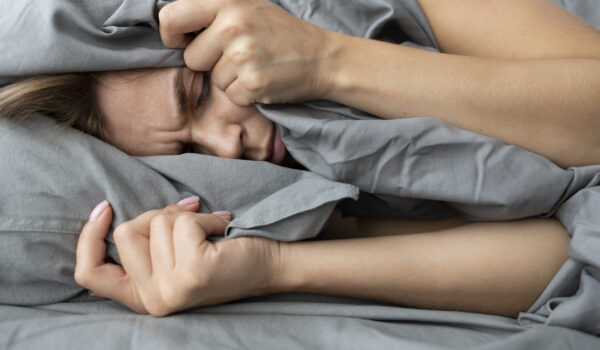
Sleep, Stress and Anxiety: Understanding the Connection
Stress and nighttime anxiety can trigger a frustrating cycle that makes restful sleep feel impossible. When racing thoughts and physical tension keep you awake, simple relaxation techniques and healthy bedtime habits can help reset your body's rhythm. Learn how stress impacts your sleep and practical steps to regain peaceful rest.
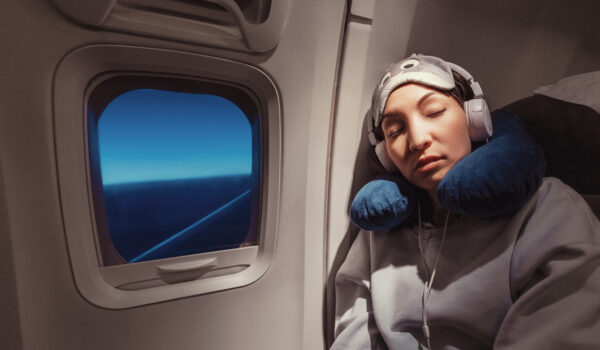
Jet Lag and Resetting Your Body Clock
Jet lag can occur when your normal sleep pattern is disturbed after a long flight. Symptoms often include difficulty falling asleep; tiredness; trouble staying awake during the day; and poor sleep quality.
Circadian Rhythm – What it is and why it matters for sleep
It's no accident we're designed to feel tired at night and more energised, alert and ready to take on the world in the morning.
It's all down to our internal body clock, ticking away over a 24-hour period to help regulate sleep, alertness, hormone production and many other biological processes – and it regulates what's called the circadian rhythm cycle.

How to fall asleep faster
Many adults struggle to fall asleep quickly, with sleep onset insomnia affecting up to one in three people. Discover why it happens, common bedtime habits that may be keeping you awake, and simple tips for creating a relaxing 30-minute wind-down routine.

Waking up at 3am
Waking up at 3am can be frustrating, especially when you're unable to drift back to sleep. Learn about the common reasons behind these early morning awakenings and discover practical tips to help you relax, fall asleep again, and improve your overall sleep quality.

Sleeping after night shifts
Antihistamines are commonly used in medications that help relieve allergy symptoms such as sneezing, itchy eyes and runny noses. They’re particularly popular during the high pollen seasons of spring and summer – March to September – when hay fever symptoms peak.

Menopause and Sleep Disruption Blog
Menopause and sleep disruption can go hand in hand – in fact it’s one of the most commonly reported problems caused by symptoms such as night sweats, hot flushes, anxiety, and frequent urination – all of which can cause disruptive nighttime awakenings and lead to poor rest.

Antihistamines and sleep
Antihistamines are commonly used in medications that help relieve allergy symptoms such as sneezing, itchy eyes and runny noses. They’re particularly popular during the high pollen seasons of spring and summer – March to September – when hay fever symptoms peak.

Natural vs pharmaceutical: The difference in sleeping pills
Whether it’s stress, worry, work or personal issue behind sleep deprivation – or even a sleeping environment that’s not right for you – the quest for restful slumber can be frustrating.

Can help to restore sleep pattern
Can aid temporary difficulties in getting to sleep or staying asleep

Helps reduce sleep onset time
Sominex tablets are fast-acting and start to work within 15 to 30 minutes

Can help aid a good night’s sleep
Get through the night with one tablet
Night-time sleep aid
Sominex tablets are a night-time sleep aid designed to relieve occasional sleeplessness.
Sominex (Promethazine). Night time sleep aid. Contains promethazine hydrochloride. Always read the label.