
Why falling asleep can be so hard
A lot of people struggle to switch off at bedtime. This can be linked to anxiety, stress and overstimulation from screens, or an inconsistent sleep schedule.
In contemporary life, work, social obligations and online entertainment are often prioritised above sleep, with evidence suggesting that compromised sleep can be associated with long work hours, sedentary lifestyles, the use of digital devices and environmental factors.
Difficulty falling asleep can cause distress, creating an anticipatory anxiety around falling asleep that can form a vicious circle – you’re anxious because you can’t sleep and you can’t sleep because you’re anxious – and reinforce feelings of dread.
The importance of a consistent bedtime routine
A bedtime routine for adults can signal to the body, it’s time to wind down.
The repetition that a routine provides helps condition sleep readiness. Also known as sleep hygiene, these healthy habits support faster sleep onset and can help you to relax before bed.

A simple 30-minute wind-down routine
So, what would most adults benefit from as part of their bedtime routine?
Here are some tips:
– Prepare the environment – a well-ventilated room that is cool, with no unwanted lights (including those from clocks and phones)
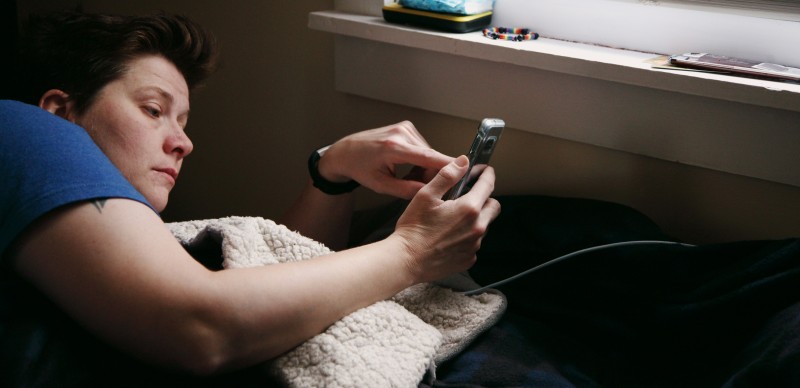
– Avoid electronic devices – no tablets or phones etc from an hour before bed as blue light before bed can disturb sleep
– Relaxing activities – reading or listening to soft music or a podcast can all help if you can’t fall asleep
– It’s always best to avoid clock-watching and phone use if you can, keeping lights low and stimulations minimal
– Breathing exercises – slow, deep breaths is one of the easiest ways to engage your body’s natural relaxation response and create a sense of calm.

What not to do before bed
It’s always good to have a gentle reminder of what not to do if you want to fall asleep fast:
– Avoid blue light – emitted by electronic devices – at least an hour before bed
– Swerve stimulants like caffeine, alcohol and nicotine and don’t have heavy meals before bed
– Don’t try to force sleep.

Where an over-the-counter treatment like Sominex fits in
If routine and lifestyle changes aren’t helping with falling asleep quicker, speak to your pharmacist for advice on suitable sleeping aid remedies.
Sominex is a night-time sleep aid designed to relieve occasional sleeplessness and restore sleep pattern. Sominex tablets are fast-acting and start to work within 15 to 30 minutes.
It contains an active ingredient called promethazine hydrochloride, an antihistamine which has a sedative effect and is suitable for use by adults and children over 16.
Sominex can aid temporary difficulties in getting to sleep or staying asleep with one a tablet a night.
If natural sleep does not return within seven days or you have repeated bouts of sleeplessness, speak to your GP.
Always read the label.

Conclusion
Falling asleep faster can be helped with a routine.
A consistent wind-down routine helps the body relax and sleep onset can be improved if common bedtime mistakes are avoided.
