

How Stress and Anxiety Affect Sleep
Stress is one of your body’s natural reactions to feeling under pressure.
When we are stressed, our body releases a hormone called adrenaline (known as the ‘fight or flight’ hormone).
Adrenaline can cause your mind to race, your heart rate to increase and your blood pressure to rise. This is to prepare your body to fight the threat or runaway.
Our bodies might not be able to tell the difference between anxiety caused by imminent danger and our worries, which means our bodies try to keep us awake when we’re anxious.
At night, with none of the day’s jobs and purpose, there is nothing to redirect your mind from whatever is worrying you.
Also, lying still, you are more likely to notice if your muscles are tense or your heart is racing which may make you feel even more anxious.
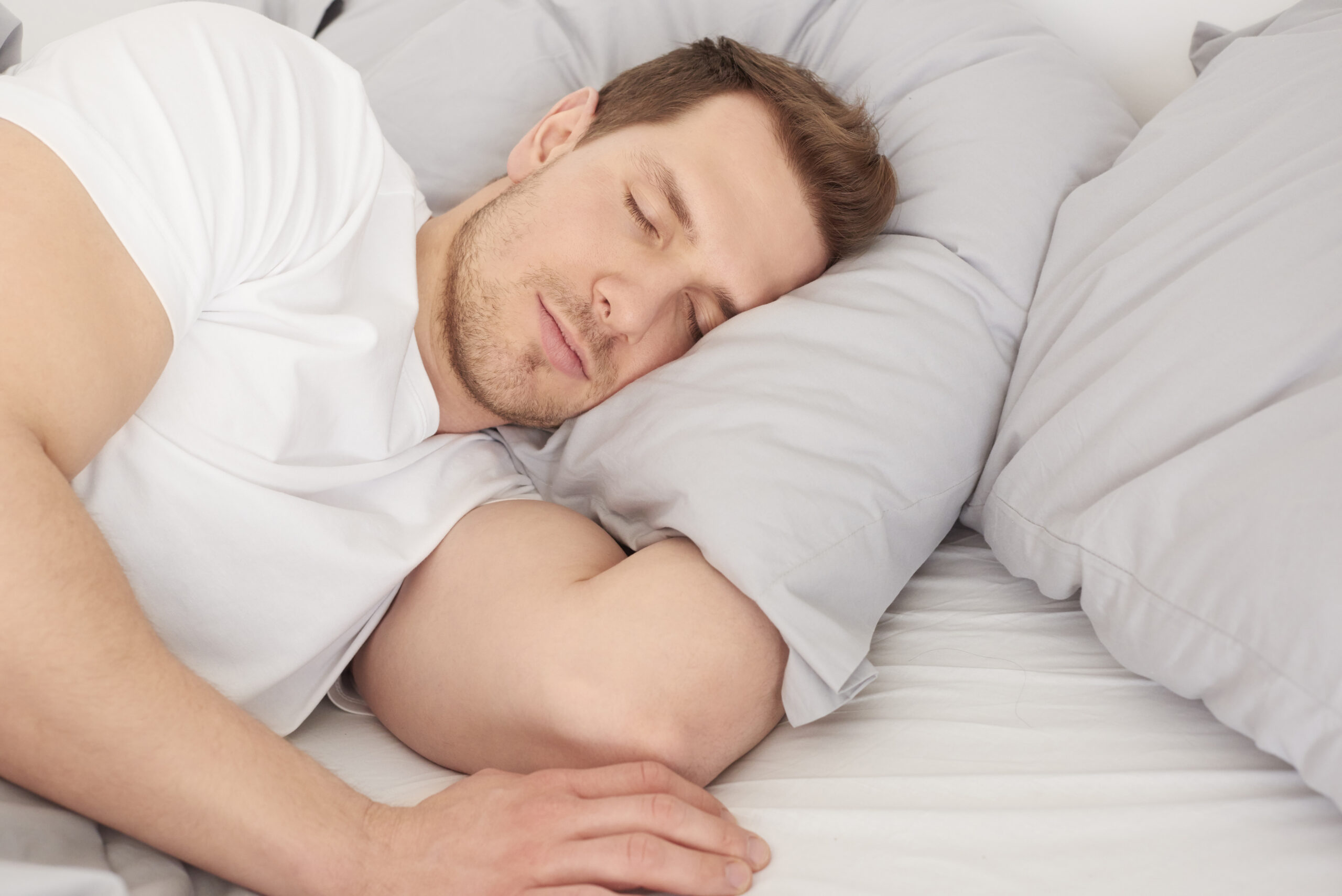
Common signs of sleep problems
These are likely ‘tells’ that you may be having sleep issues:
1. Finding it difficult to fall asleep
2. Waking up several times during the night
3. Early morning awakenings
4. Restless or poor-quality sleep
5. Feeling tired, irritable and struggling to cope despite spending enough time in bed.

The Vicious Cycle of Stress and Poor Sleep
Knowing how to sleep when you’re stressed and anxious can be difficult as you may be trapped in what is a vicious cycle.
If you have things going on in your life that are causing you to feel stressed and anxious, you may have more stress hormones circulating in your body – and a poor night’s sleep may add even more.
Losing sleep can impact on your mood, productivity and concentration, causing even more stress.
This stress may make sleep even harder to come by, and you can get stuck in stress mode.

Practical Ways to Sleep Better When Stressed and Anxious
The good news is that there are ways in which you can help yourself.
The first step has been taken if you have read the above as it gives you an understanding of why you can’t sleep when stressed and why your body is reacting as it is.
Here are some hints and tips on what you can do to alleviate the symptoms of anxiety and stress and encourage a restful night:
1. Activities and exercise – yoga, tai chi and meditation are all activities that can be helpful as stress relief techniques.
2. Gentle breathing – breath slowly and deeply, in and down to your tummy and out through your mouth, for five minutes.
3. Progressive muscle relaxation – take a few gentle breaths and begin tensing muscles, one at a time, as you breath. Release the tension as you exhale.

Habits That May Affect Sleep
There are certain habits to try and break, which might help improve overall sleep quality.
Suggestions include avoiding screentime before bed; cutting out stimulants like caffeine and alcohol before bed and avoiding heavy meals late at night.

When to Seek Additional Support
Sominex is a night-time sleep aid that can be used as a short-term support when you have occasional difficulty falling asleep. If natural sleep does not return within seven days, always speak to your GP.
It’s also best to speak to a doctor if your anxiety and stress is more than a sporadic worry and is causing persistent lack of sleep.